
Georgetown’s commitment to cura personalis anchors our efforts in treatment, prevention, and research. That commitment fuels our determination to help deliver a future where HIV is no longer a threat to global health.
This World AIDS Day, Georgetown University highlights its efforts to expand access to treatment, advance prevention strategies, and shape policies in the global fight against HIV.

World AIDS Day in Nairobi, Kenya.
HIV/AIDS remains one of the most significant global health challenges. Since the first cases were identified, the virus has claimed more than 35 million lives, and today an estimated 38 million people around the world are living with HIV.
Yet the tide is turning.
The global death rate from AIDS-related illnesses has dropped by 64% thanks to expanded access to antiretroviral therapy, transforming HIV from a fatal diagnosis into a manageable chronic condition for millions.
Prevention strategies are also advancing rapidly. Pre-exposure prophylaxis, or PrEP, can reduce the risk of infection by up to 99%, and long-acting options like the injectable medication Lenacapavir, administered every six months, promise even greater protection for those at risk.
Georgetown University has been part of this progress for decades, working with communities around the world to improve access to care, advance research that informs the next generation of treatments, and develop policies that reduce inequalities.

Delivery and Care
From Haiti to Washington, DC, Georgetown works alongside community partners to expand access to HIV treatment for people who too often face gaps in services.
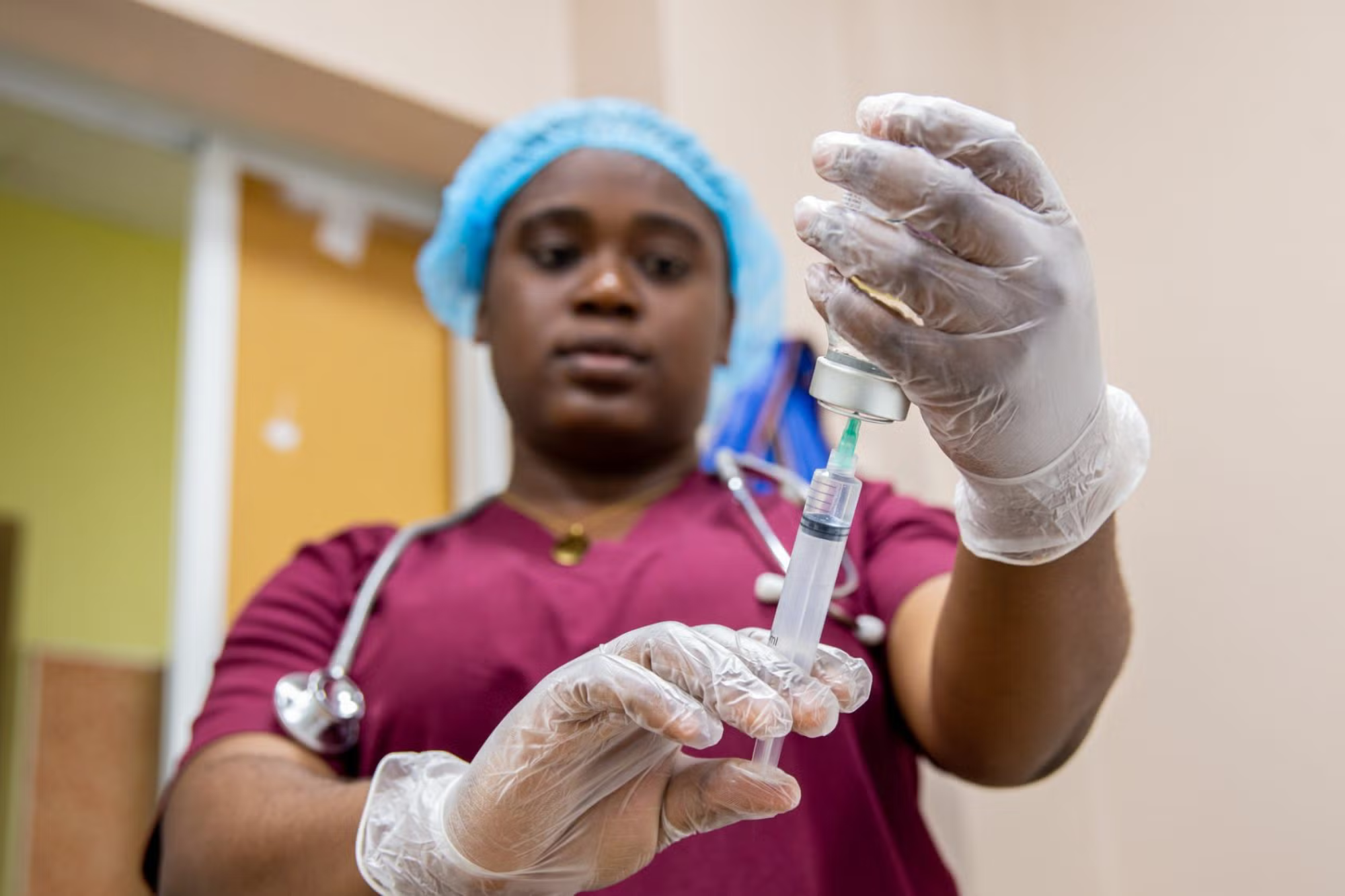
Addressing HIV/AIDS in Haiti
Through a U.S. Centers for Disease and Control Prevention and the President’s Emergency for AIDS Relief-funded program, the Center for Global Health Practice and Impact is expanding medical care for an estimated 150,000 Haitians living with HIV/AIDS.
Learn More
Supporting Youth HIV Programs
The Center for Global Health Practice and Impact also works with Friends of Cité Soleil to promote entrepreneurship by providing vocational training and launching microenterprises to create eco-friendly products.
Learn More
Recommendations to Strengthen Global HIV Response
The Center for Innovation in Global Health joined health ministries and AIDS commissions from 11 African countries to outline a sustainable path for HIV prevention. The meeting resulted in several outputs, including a Lancet HIV Viewpoint that identifies urgent priorities.
Learn More
Improving the Quality of Life of Persons with HIV in Washington, DC
Georgetown is one of nine institutions contributing to the citywide effort to end the HIV epidemic in the nation’s capital through the DC Center for AIDS Research. Several Georgetown faculty members, including Seble Kassaye, M.D., acting chief medical advisor for public health, serve on its executive committee.
Learn MoreResearch
Drawing on decades-long cohort studies and emerging data technologies, Georgetown researchers are generating the evidence that drives the next generation of HIV care.

MACS/WIHS Combined Cohort Study
Formed in 2019 by merging the Multicenter AIDS Cohort Study (MACS) and the Women’s Interagency HIV Study (WIHS), this study examines how HIV affects aging, heart health, and other chronic conditions to better understand the long-term outcomes for people living with HIV.
Learn More14Study SitesAcross U.S. cities from San Francisco, California to Chapel Hill, North Carolina
1984EstablishedRepresents one of the longest-running data sets on people living with HIV
12,000+Study ParticipantsCombined between MACS and WIHS
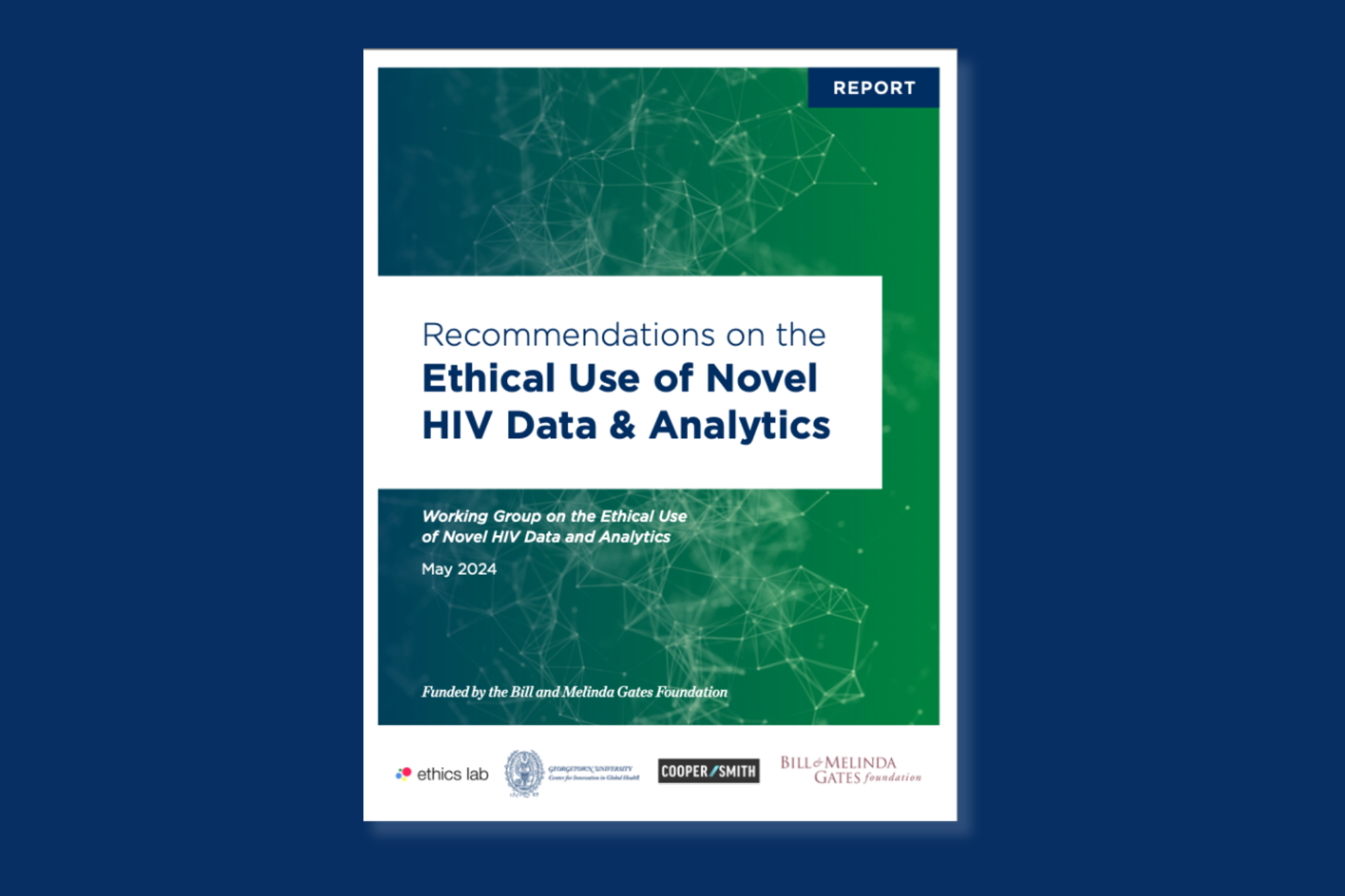
Recommendations on the Ethical Use of Novel HIV Data and Analytics
Researchers from the Center for Innovation in Global Health, along with members of an 18-member international, interdisciplinary, and intersectoral committee, outlined the ethical considerations for the responsible use of novel data and machine learning in HIV research and programs.
Learn MorePolicy
Translating research and on-the-ground insights into reforms that protect rights and reduce the inequalities that drive the epidemic, Georgetown’s faculty help shape the systems that determine how countries respond to HIV.

Data-Driven HIV Reform Worldwide
The Center for Global Health Policy and Politics was designated a UNAIDS Collaborating Center to address the structural inequalities driving the HIV pandemic. Through initiatives such as the HIV Policy Lab, the center tracks HIV-related laws and policies worldwide to support evidence-based policy change and advocacy.
Learn More
HIV Policy Project
The Center for HIV and Infectious Disease Policy conducts policy analysis to offer innovative ideas for improving HIV care and prevention in the United States.
Learn More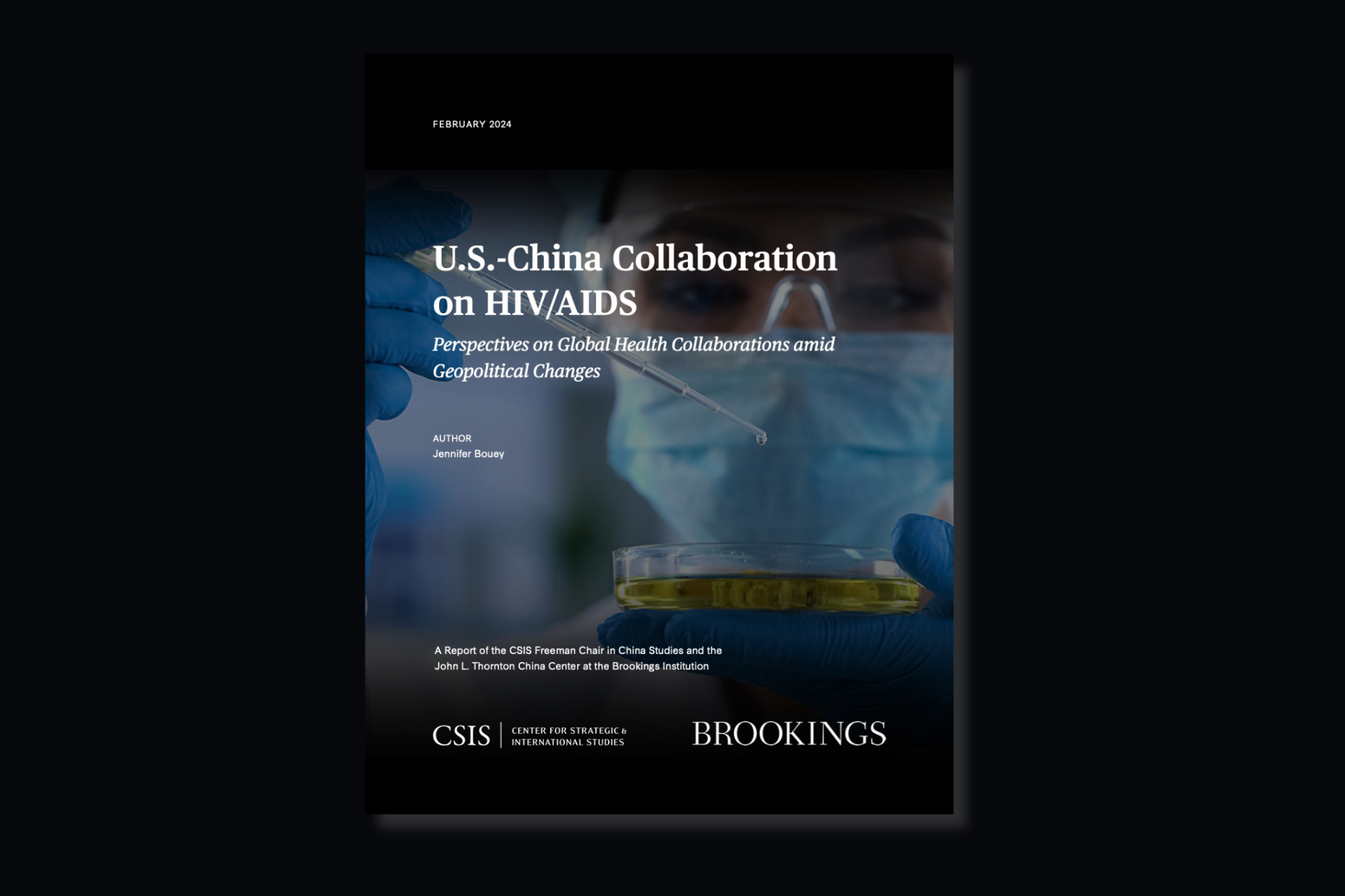
Report: U.S.-China Collaboration on HIV/AIDS
In a recent report, Jennifer Bouey, M.D., Ph.D., chair of the Department of Global Health, examines how bilateral cooperation between the United States and China from 2002 to 2018 helped curb the epidemic in China and advance global health diplomacy.
Learn More
Today, we recognize a year of profound innovation in the global HIV response. Even as resources remain tight and needs evolve, we are witnessing extraordinary progress in new technologies accelerating diagnosis and community-led solutions reshaping what person-centered care can look like.