


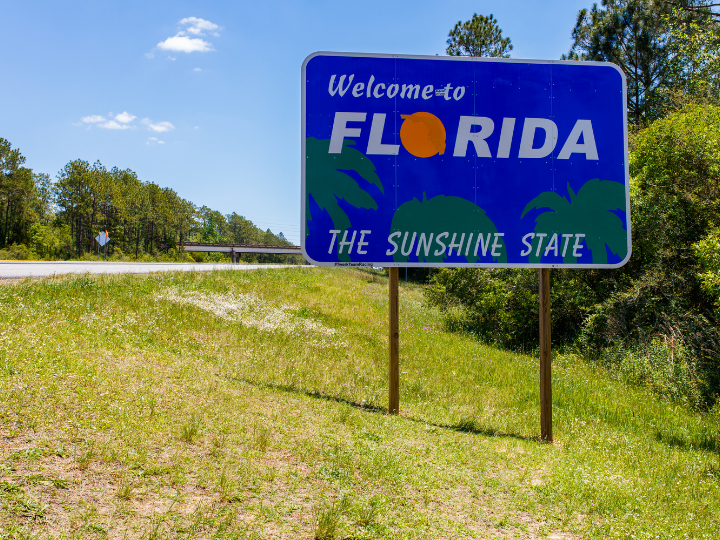
Elizabeth Aranda, Ph.D., will discuss research examining how recent immigration enforcement policies in Florida are reshaping the well-being of immigrant families and their U.S.-born children. Drawing on in-depth interviews, the study highlights how expanded surveillance and enforcement have created a climate of fear that affects work, housing stability, access to health care, and children’s mental health. The findings also highlight the psychological effects of detention and the ways community networks, including faith communities and local organizations, help families cope with uncertainty and support one another.
Featuring
Elizabeth Aranda, Ph.D., is a professor of sociology and director of the Immigrant Well-Being Research Center in the College of Arts and Sciences at the University of South Florida. Her research addresses migrants’ emotional well-being and how they adapt to challenges posed by racial and ethnic inequalities, legal status, and other challenges associated with adaptation in a new place. Her current work is on the lives of undocumented young adults in Florida and how they navigate the terrain of immigration policies and inclusion/exclusion; she also studies how Puerto Rican post-disaster migrants construct home in new places.
Diana Rayes, Ph.D., is the program director of the Faith and Global Health Initiative at the Georgetown University Global Health Institute. She is a global health scholar whose work explores the intersection of political crisis, migration, and health systems, with a particular interest in how faith shapes health-seeking behaviors and influences health policy. Her current book project explores displacement, humanitarianism, and resilience through the lens of the Syrian crisis, examining both the structural forces driving migration and the lived experiences of refugees navigating new social and political landscapes.